The Journal
An island. A point of view.
All editions ↗
EN ⌄
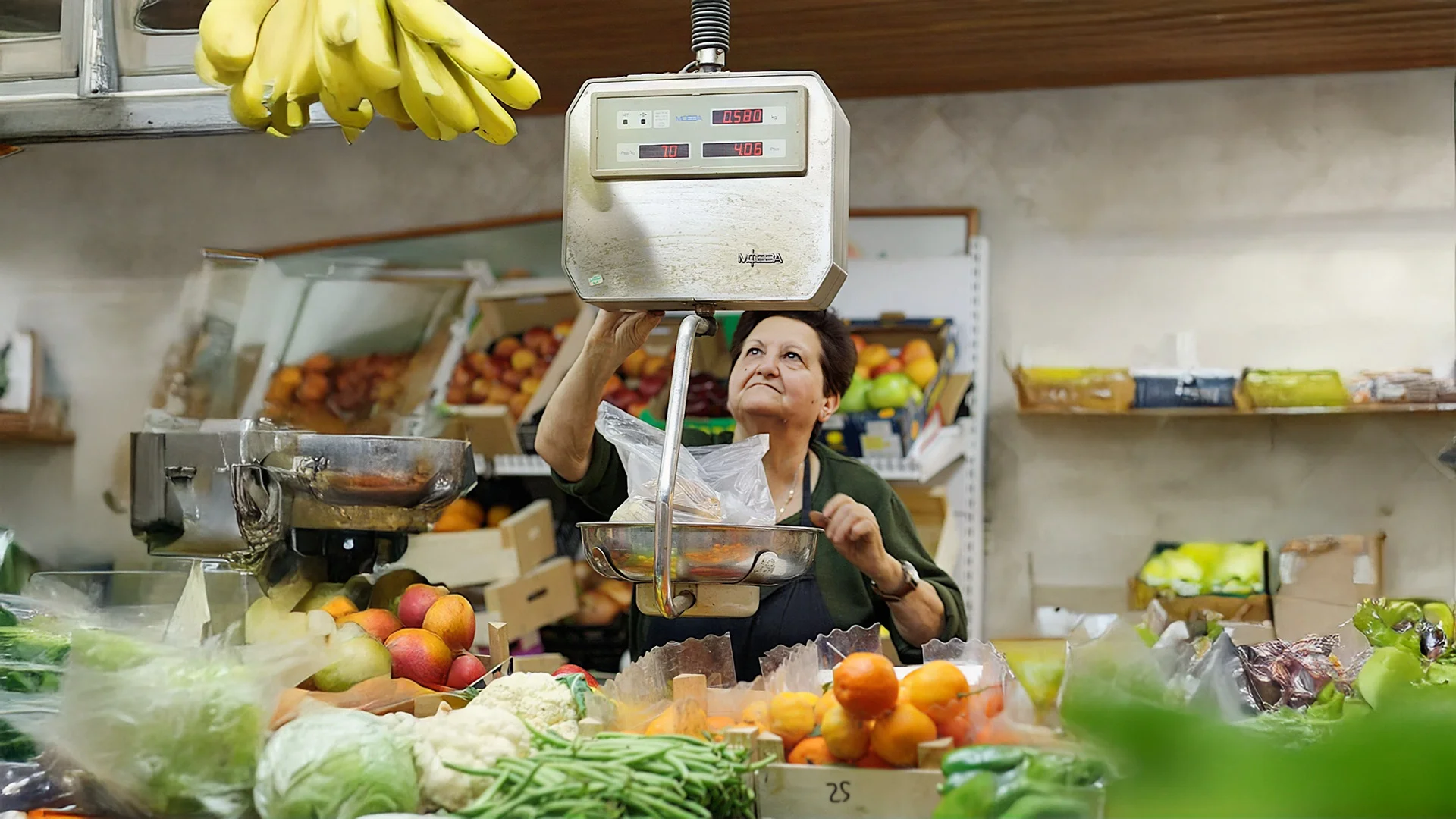
A greengrocer operating the scales behind a fruit and vegetable counter at Mercat Nou, Eivissa
The Market Edition · Ibiza, SpainBehind every counter, another small piece of the island.

Something
to keep.

Tomatoes for lunch, a ring tried on twice, a record with a previous life. Ibiza’s markets make room for appetite, curiosity and conversation.

Step inside ↓
Mercat Nou / the person behind the counter
The Market EditionIbiza · The Journal

You came for something to take home. The person behind the stall gives you a reason to stay.

A market invites you into a different relationship with a place. Instead of being handed a menu, you have to make a small decision: which tomatoes, how much bread, whether the colour of that shirt is really you. Then somebody weighs the bag, explains the object or reaches for another size. The exchange is ordinary, which is part of its charm.

Ibiza has several versions of this morning. Forada brings growers and makers to a country crossroads. Mercat Nou puts dinner in the hands of anyone willing to ask a fishmonger a question. Las Dalias and Punta Arabí encourage the more speculative purchase; Sant Jordi offers the pleasures of something already used. At Sant Joan, the village itself runs between the stalls.

Go with an appetite or an interest, and a little space for it to change. A good market purchase can be as modest as the fruit everyone eats on the way back.
For tonight’s table

Forada for a rural mix of produce and making; Mercat Nou for the practical pleasure of a food hall.

For something made

Las Dalias, Punta Arabí and Sant Joan each put craft within a very different setting.

For the unexpected

Sant Jordi’s flea market is about second lives and a good eye.

THE LAND, ON A TABLE

Lunch begins
at the crossroads.

Forada is the market for a basket that turns into an afternoon at home.

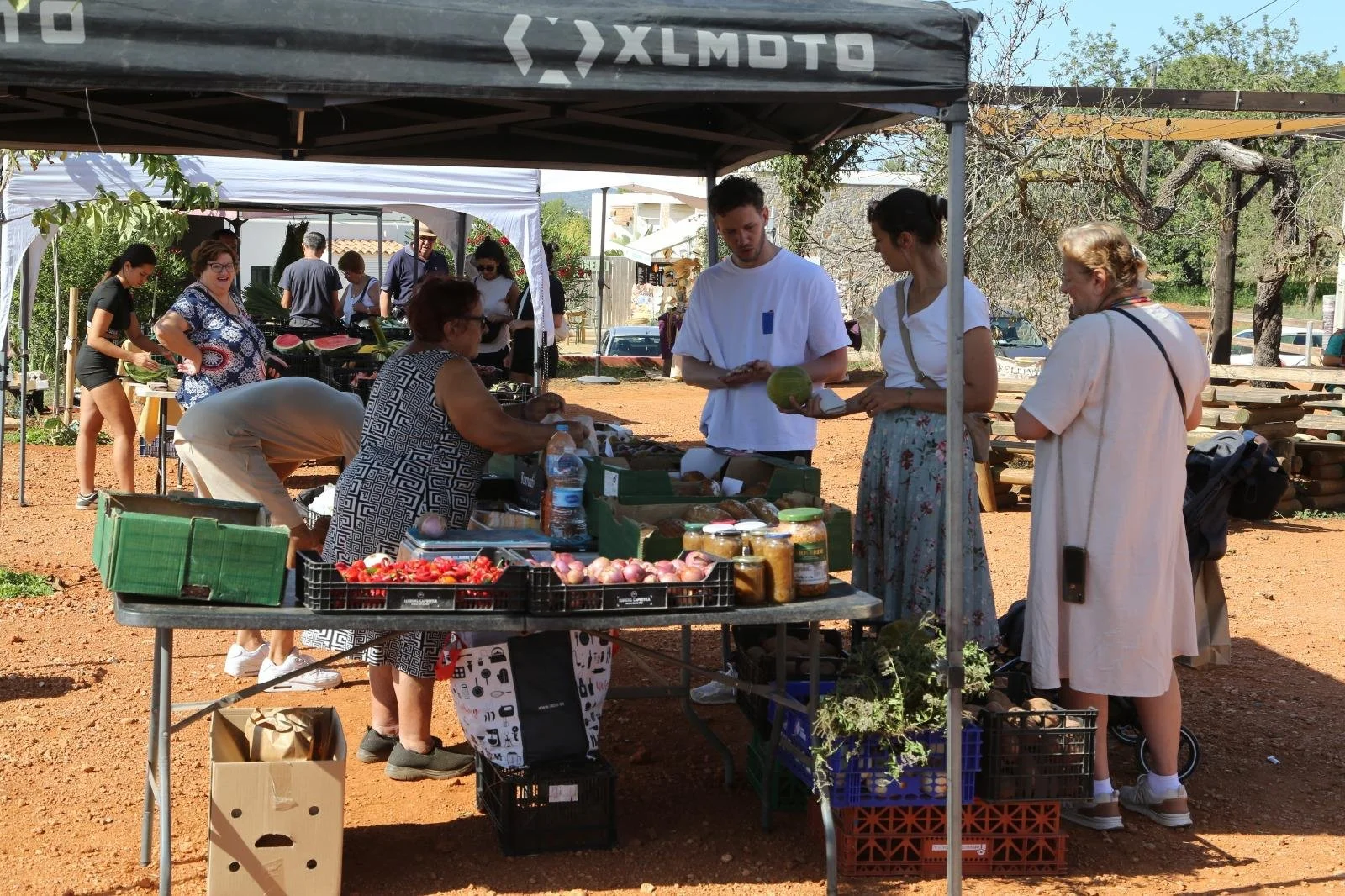
People gather around a table of vegetables beneath a canopy at Mercat de Forada.
Forada / Around the produce table
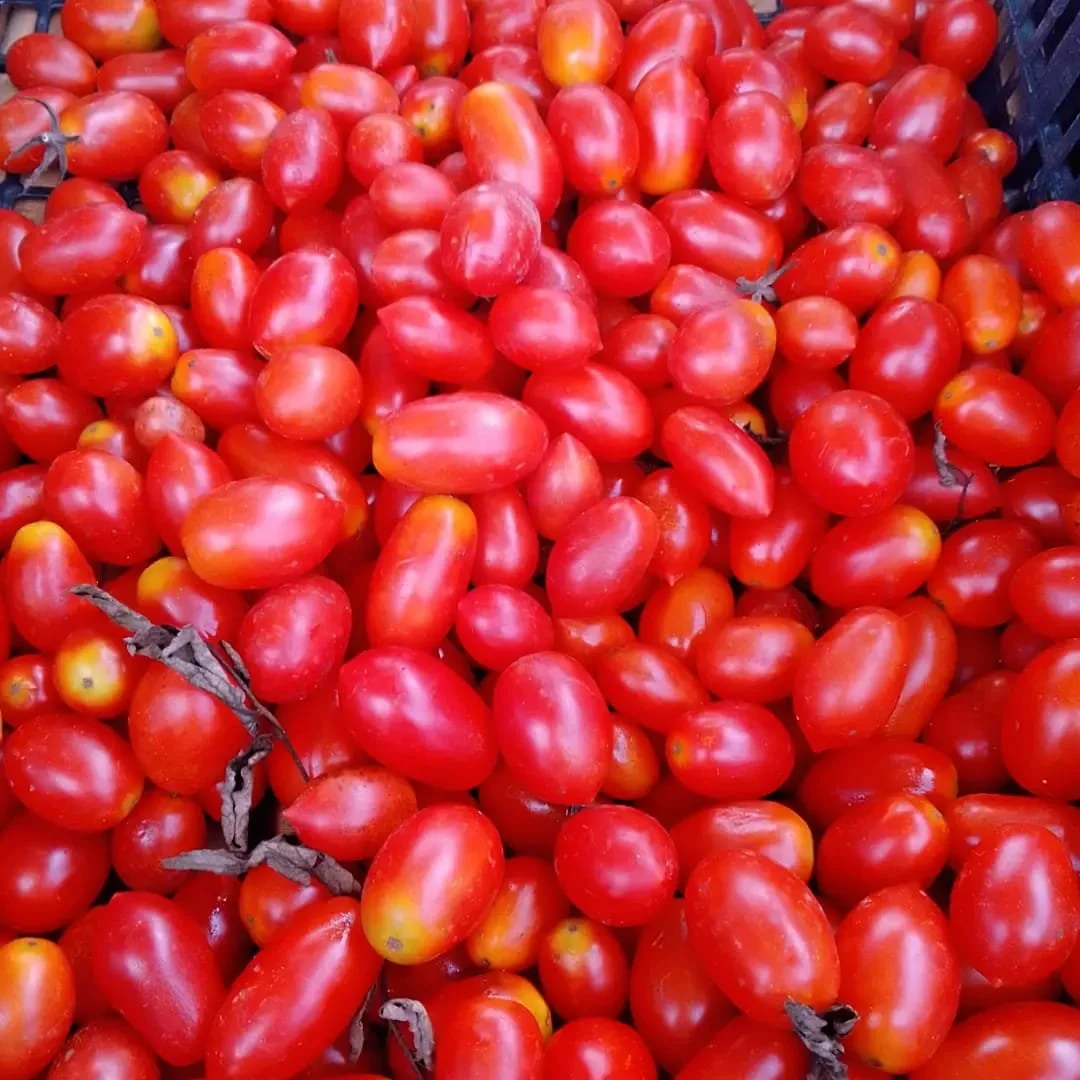
A close view of red tomatoes in Forada’s official gallery.
Forada / The beginning of lunch

At the Can Tixedó crossroads in Buscastell, Mercat de Forada brings food, growers, makers and artists together in the countryside. The setting keeps the connection between land and table close. Before deciding what to buy, look at what has actually arrived: the colours in the crates, the loaves, the jars and the people tending them.

Start with one promising ingredient. Tomatoes suggest bread and olive oil; a good loaf can turn the remains of yesterday’s shopping into lunch. Ask which produce was grown on the island and what is best at the moment. The answer is more useful than arriving with a fixed recipe that needs the stall to behave like a supermarket. If you are staying several days, a jar of honey or another pantry purchase can become part of more than one breakfast.

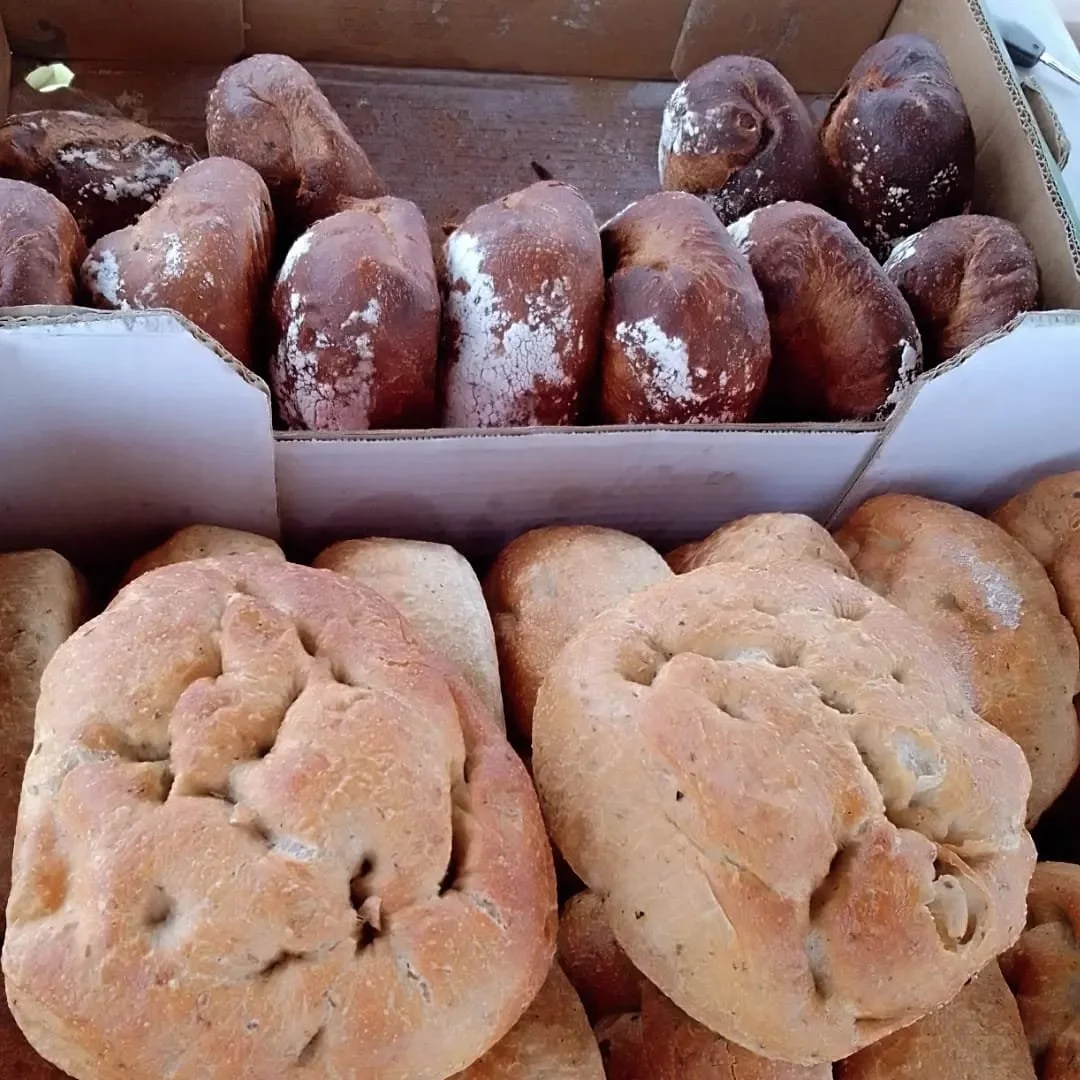
Bread and assorted baked goods arranged in boxes at Mercat de Forada.
Forada / Something for the table
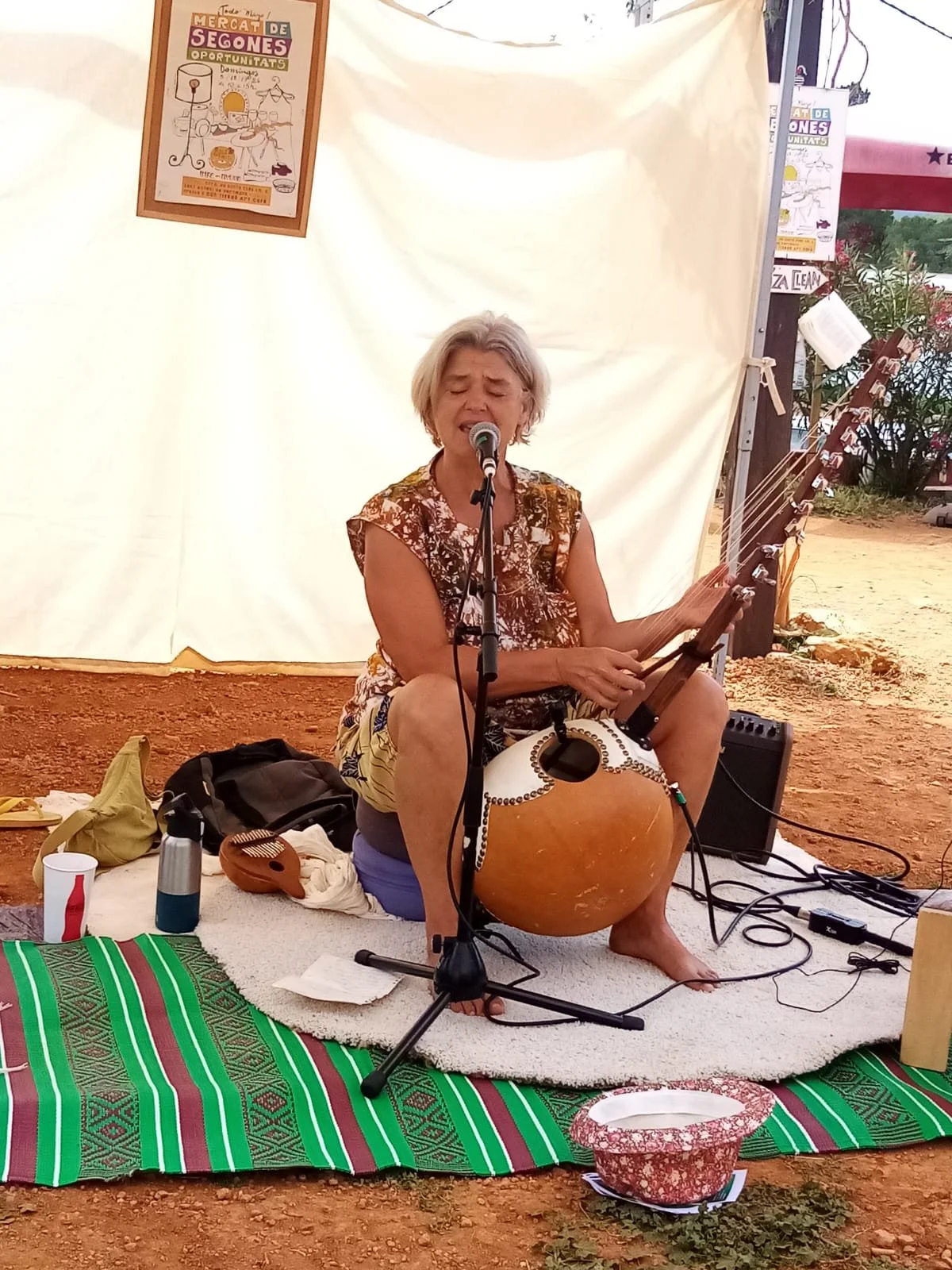
A seated musician sings into a microphone with a stringed instrument at Forada.
Forada / A pause for music

There is pleasure in cooking a little on holiday when it begins this way. Back at the house, one person washes the tomatoes, another finds the board, someone puts glasses on the terrace. You have made a meal together without assigning anyone a complicated shift in the kitchen. Buy for the people actually eating, rather than for an imaginary dinner party inspired by the display.

Forada also has a life beyond the basket. Craft, workshops and music belong to its programme, and a morning can expand around whatever is happening that day. See the organiser’s current calendar, then arrive with enough curiosity to stay after the shopping is done. A purchase is one way to join the market; listening or talking to a maker is another.

AN APPETITE FOR THE EVERYDAY

The cooks
go to town.

Mercat Nou gives a villa dinner a different beginning.

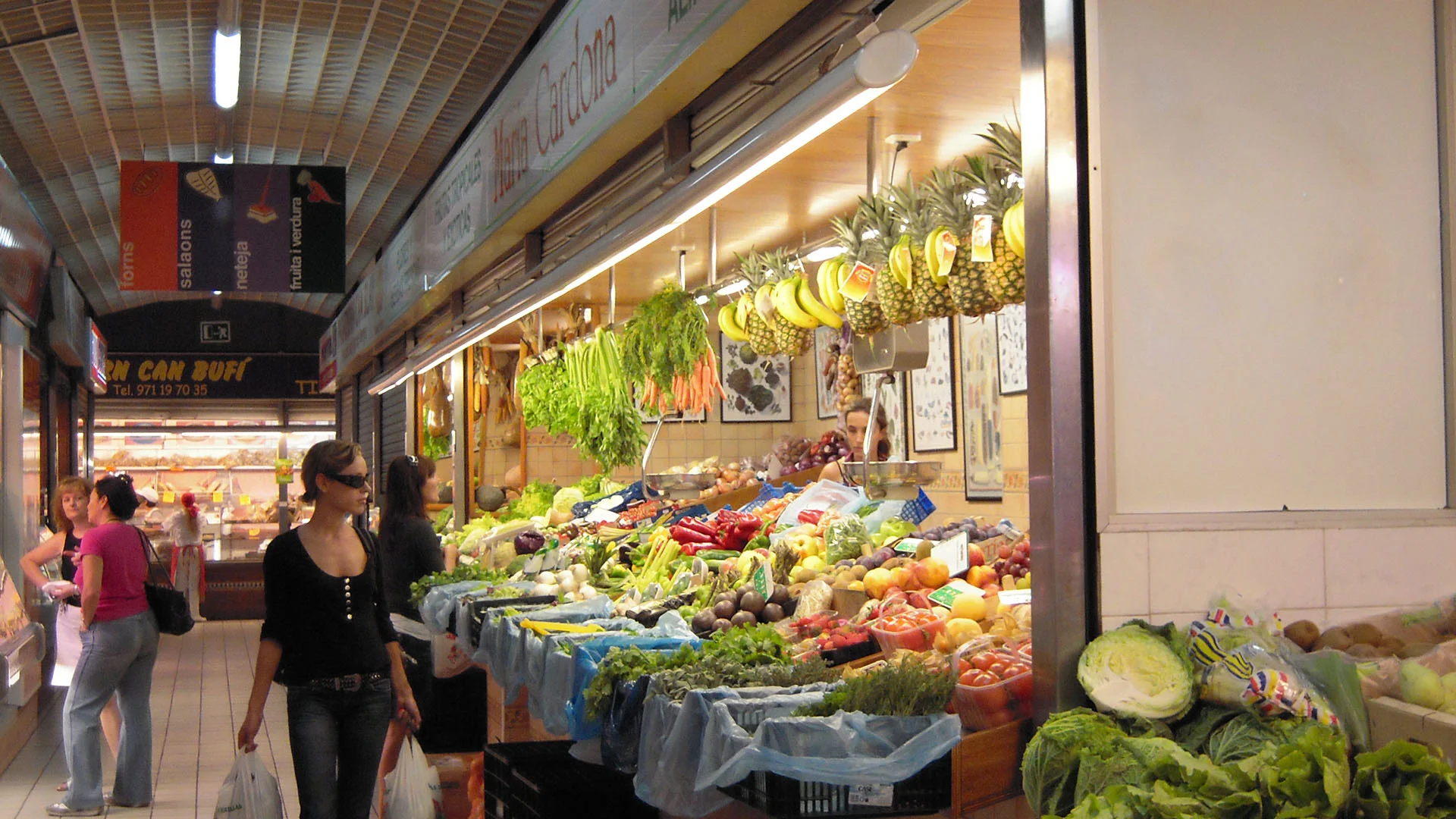
Shoppers beside a full fruit and vegetable stall in the working aisles of Mercat Nou
Mercat Nou / the beginning of dinner
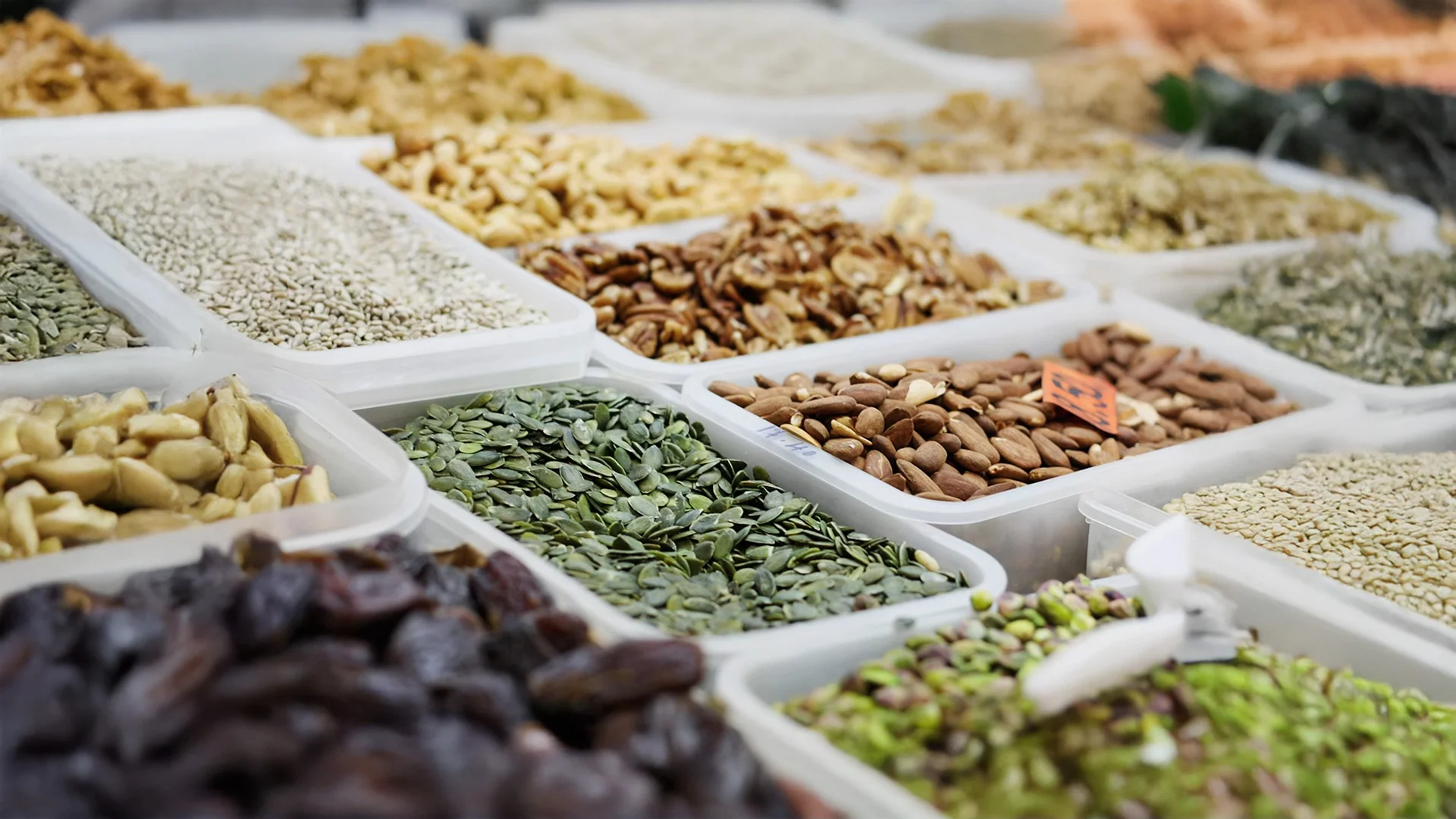
Nuts, seeds and dried fruit arranged in open trays at Mercat Nou
Mercat Nou / colours worth looking at closely

At Mercat Nou in Eivissa, the excitement is practical. Fish, meat, fruit and vegetables occupy a working food hall; nuts and dried goods add their own colours and textures. The market has served the city since 1978. Come because you want to eat what you buy, and the counters become more interesting than any sightseeing stop.

Send the people who enjoy this part. Two keen cooks can compare options, change the menu and enjoy talking through the possibilities without negotiating every decision with a large group. Decide first how much cooking you want the evening to involve. There is a considerable difference between a fish prepared for the oven and a meal assembled from good bread, vegetables and other ready-to-eat purchases.

Tell the seller how many people are eating and how you intend to cook. Ask what is local, what is in season and what preparation they can do for you. The value of a food market includes that knowledge. It can save you buying the wrong quantity or taking home something beautiful that the villa kitchen is poorly equipped to handle.

Finish with the purchases that need to stay cold, bring an insulated bag and return them promptly to the fridge. Then the afternoon is yours again. By dinner, the trip into town has become part of the conversation: the stall you found, the suggestion you followed, the ingredient that changed the plan. Those who stayed by the pool can take responsibility for the table and the washing-up.

COLOUR WITH A HISTORY

Try on
another afternoon.

Las Dalias is as much about the pleasure of looking as the object you eventually choose.

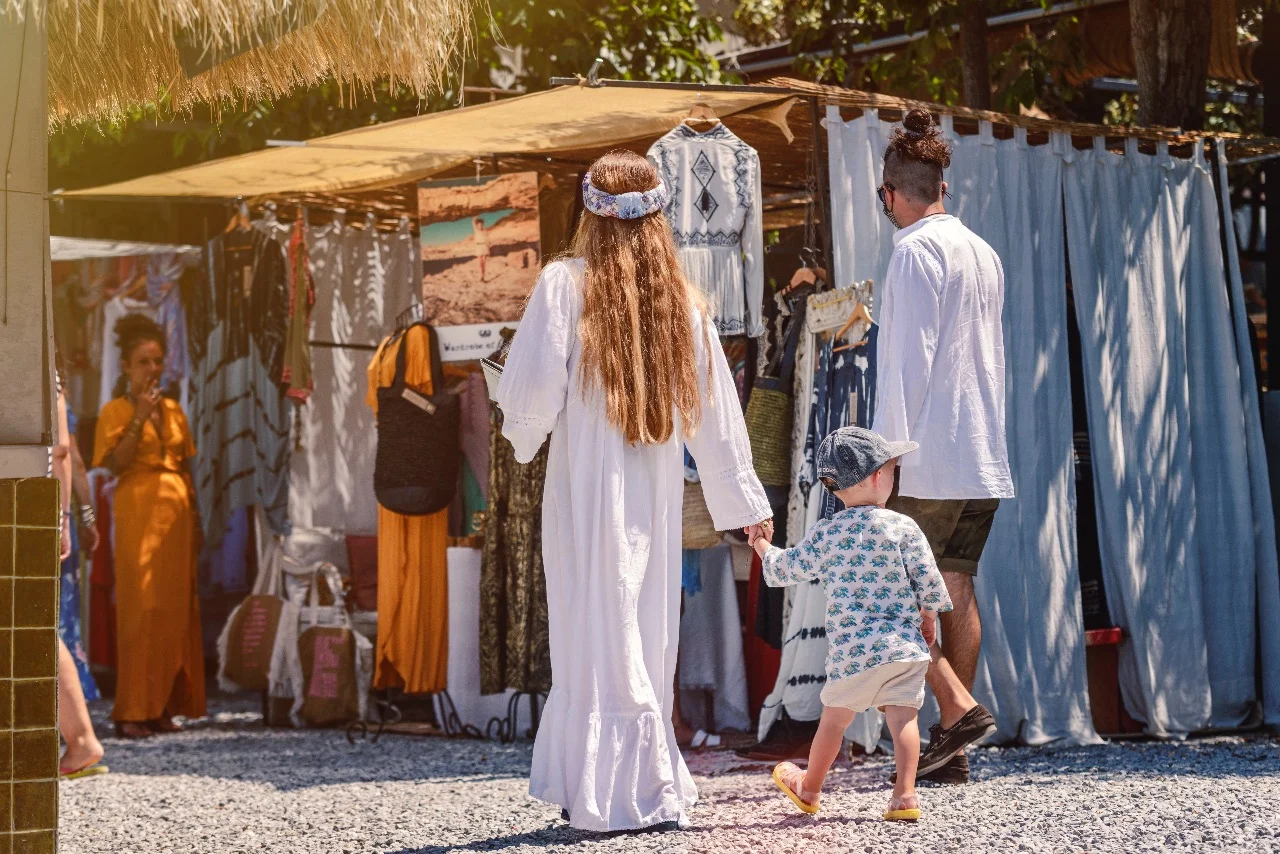
Adults and a child browse clothing stalls at Las Dalias in daylight.
Las Dalias / Between the clothes rails
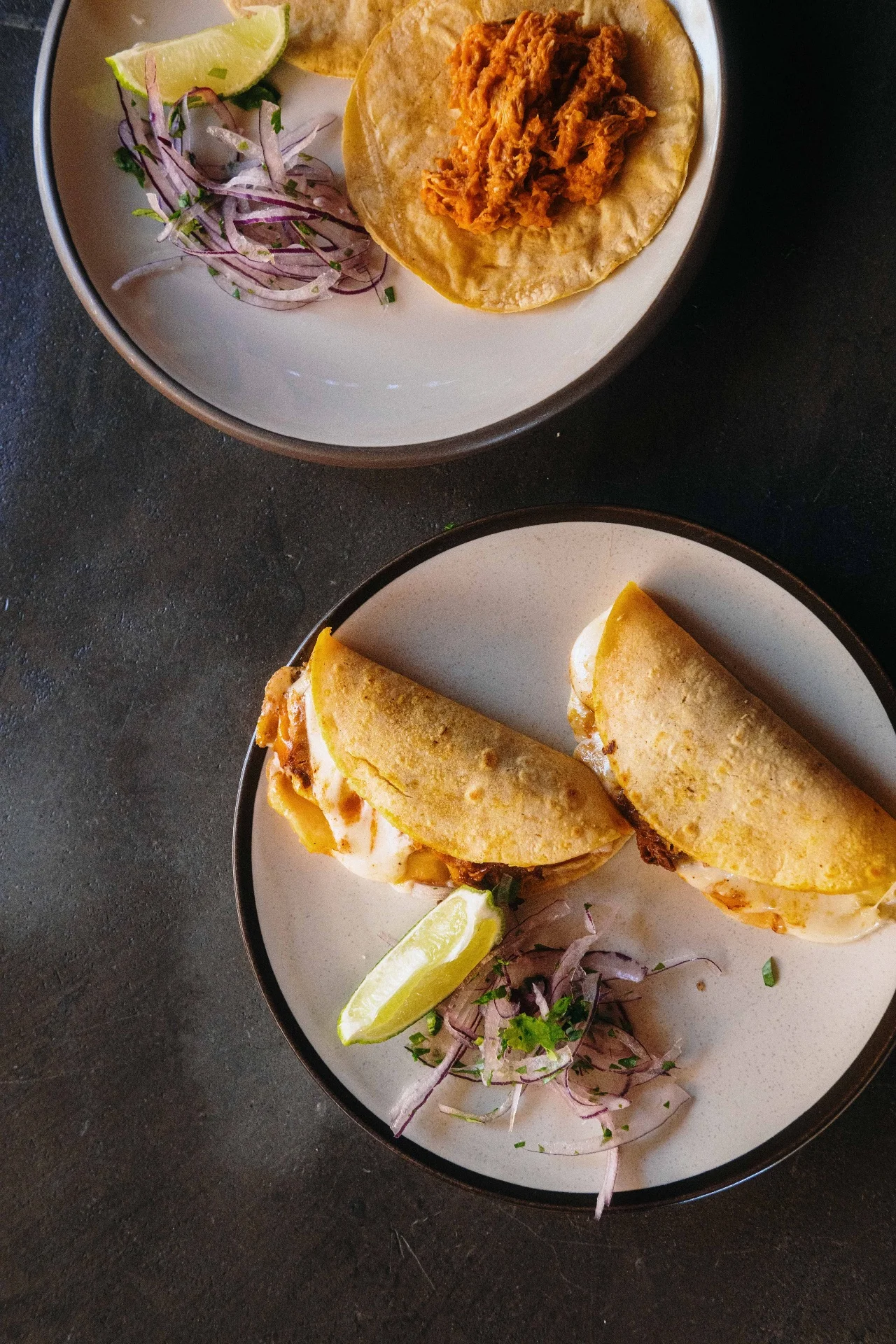
Tacos, lime and sliced red onion on plates from Las Dalias’s official food gallery
Las Dalias / a plate between two circuits

Since 1985, Las Dalias in Sant Carles has gathered a world of clothes, jewellery and craft. A stall can catch your eye through a hanging sleeve or the reflection from a small piece of metal. The colours feel persuasive in this setting. Allow yourself that first attraction, then look again at the fabric, the finish and how the thing actually feels in your hand.

Daylight suits a serious browse. Walk through once before committing, try things on and return to the piece you keep remembering. Ask who made it and where. A market brings together different kinds of sellers and objects; the conversation helps distinguish a maker’s own work from something selected for resale. Both can be worth buying, but they tell different stories.

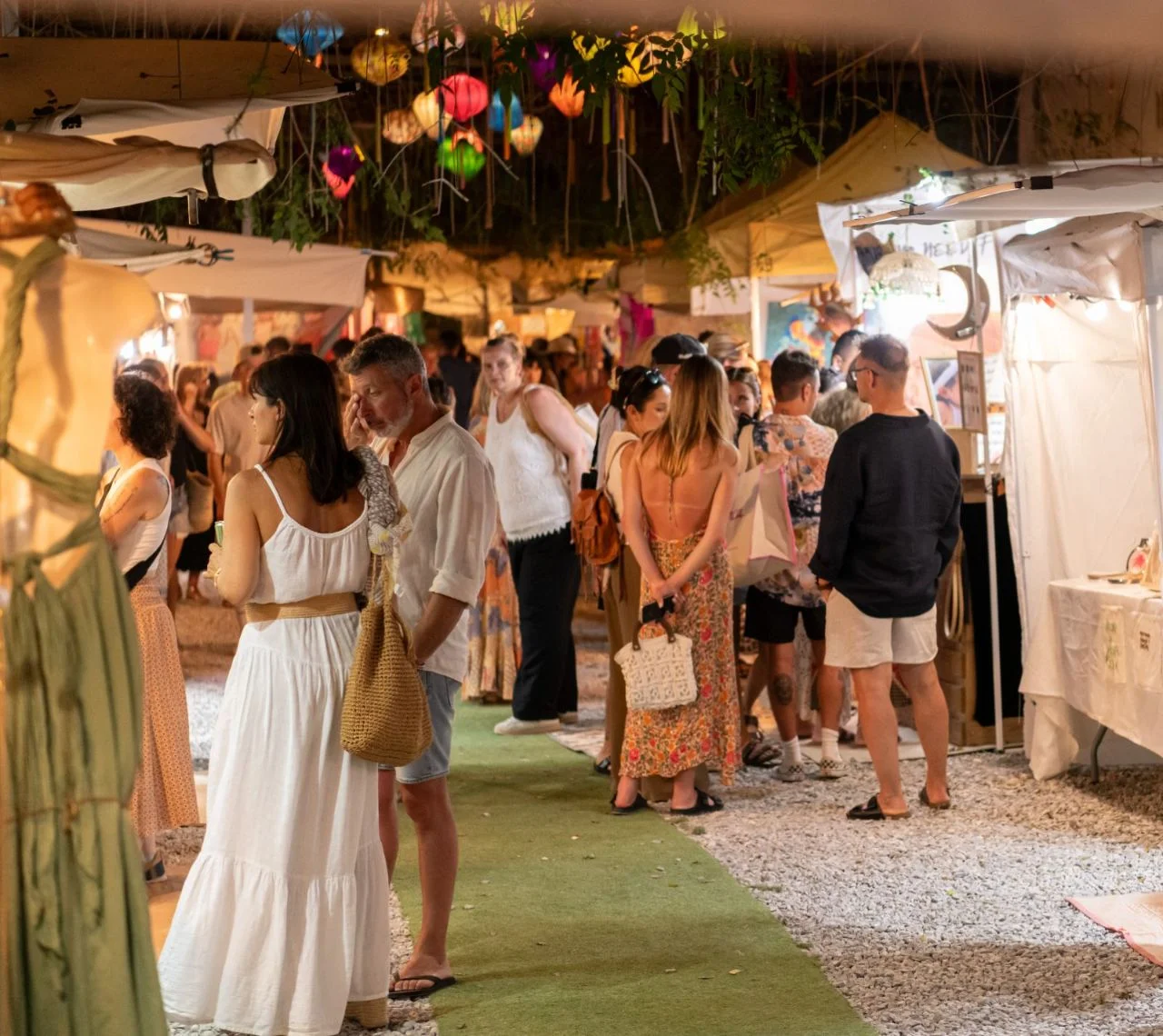
Visitors browse illuminated stalls beneath hanging coloured lamps at Las Dalias night market.
Las Dalias / The evening market

Eating here can be part of the outing rather than a pause made necessary by hunger. The official food offering includes tacos with handmade maize tortillas, seafood or vegetable paella, and a tea-tent menu with falafel, pastries and mint tea. See which counters are operating during your visit, then give lunch an actual seat in the plan. A plate between two circuits makes a busy market much easier to enjoy.

The seasonal night market changes where your eye goes. Lamps pull colour out of the darkness; a bracelet or embroidered edge becomes a small bright object against the garden. It suits an evening of eating and browsing, while the daytime version lets you examine everything more clearly. Check the dated market calendar rather than assuming the same sessions run all year. Choose the light that suits what you have come for.

A WEDNESDAY IN ES CANAR

Under the pines,
keep looking.

Punta Arabí gives a market morning room to become an expedition.

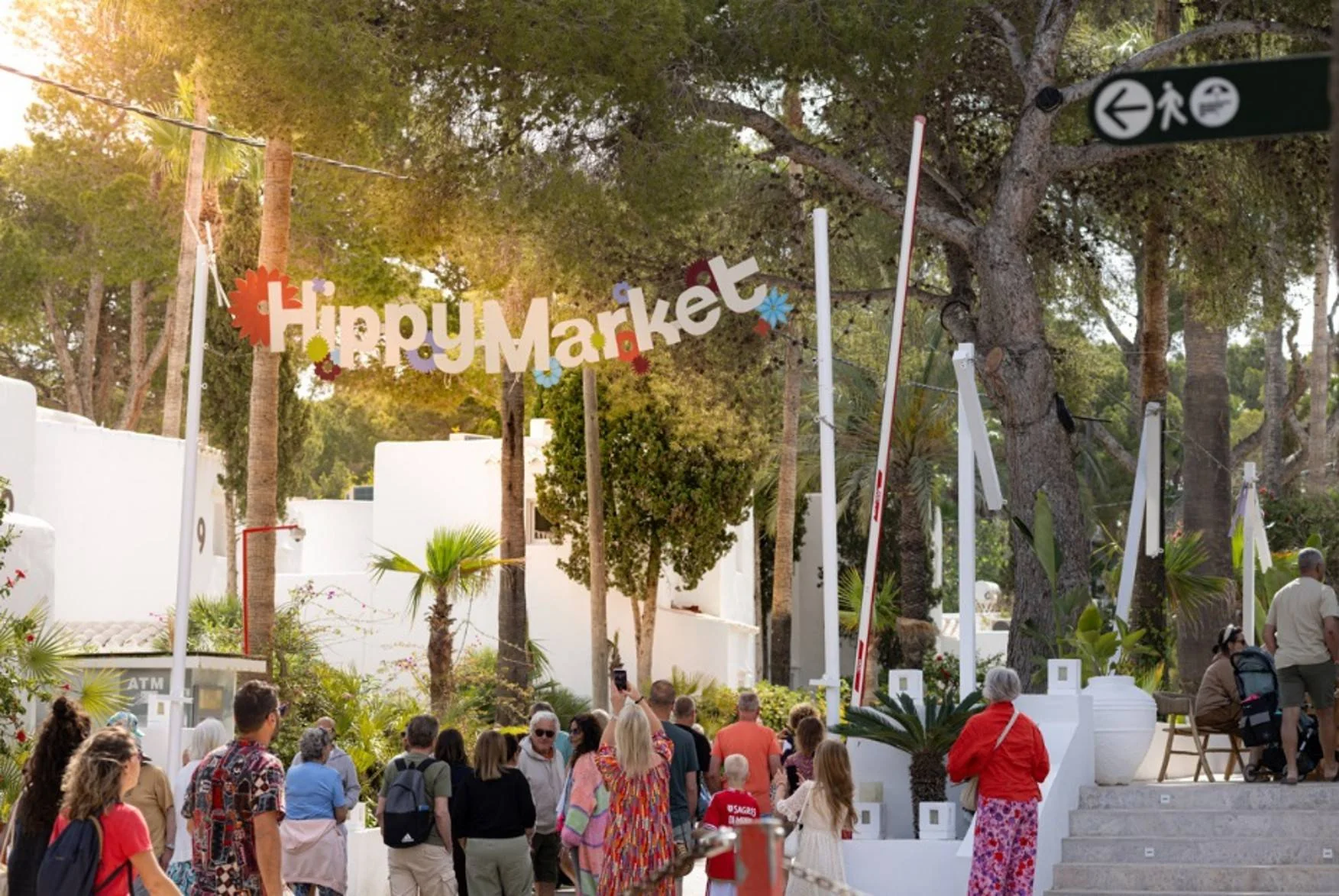
Visitors walk beneath the Hippy Market sign between white buildings and pine trees.
Punta Arabí / Between the pines
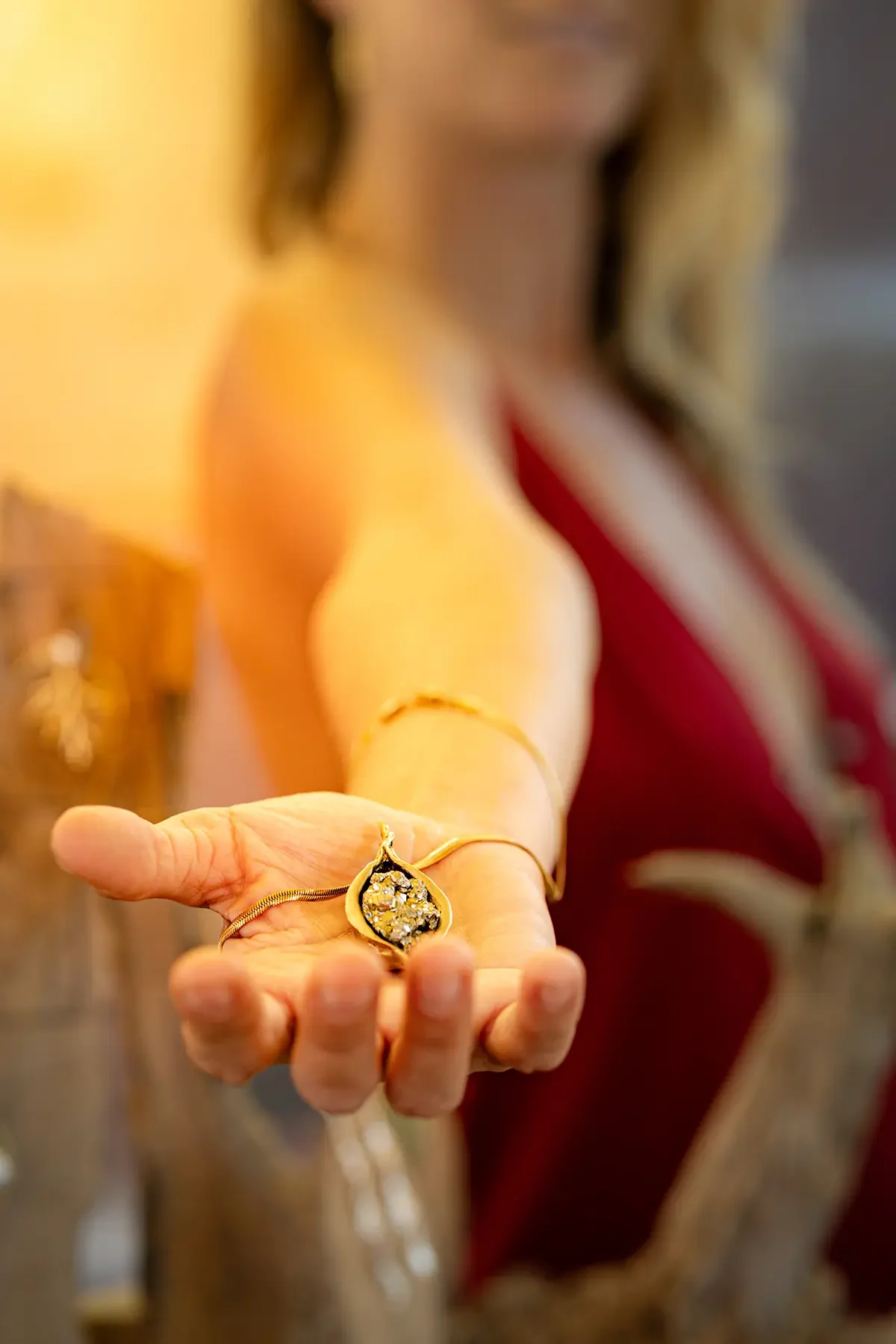
A stallholder holds a small pendant towards the camera.
Punta Arabí / A little handwork

Punta Arabí began in 1973 and now describes more than 400 stalls. Pines and white buildings frame a route that keeps offering another turning: clothing, jewellery, art, something you want to wear and something you cannot yet imagine a use for. The scale is part of the attraction. Come when following an unexpected interest sounds enjoyable.

Give that broad selection a personal focus. If jewellery is what draws you in, spend time with a few displays and inspect the details: the clasp, the back, the way the piece sits on your skin. Ask about materials and how it was made. A careful exchange with one maker can be more memorable than a hurried circuit of dozens of tables.

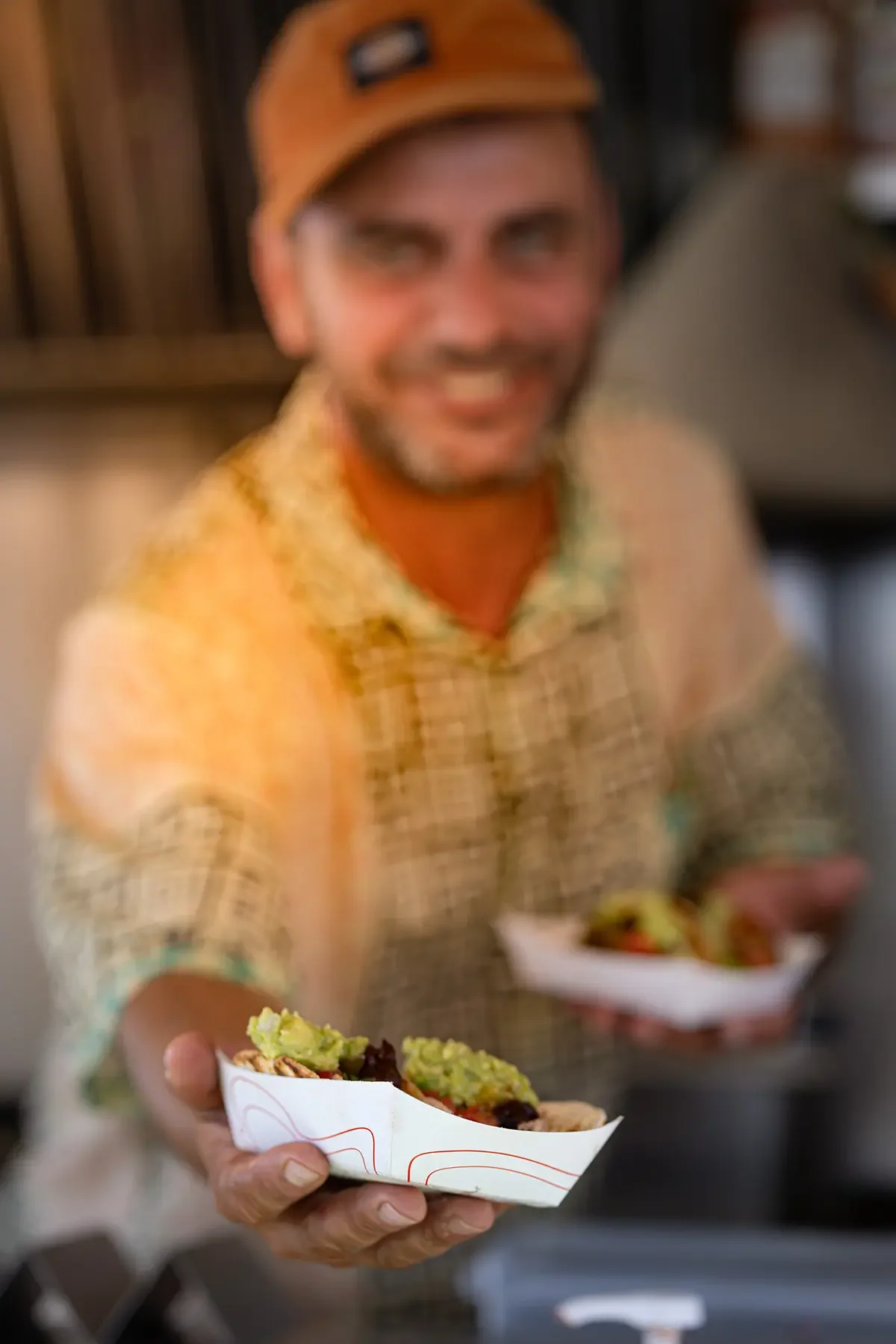
A smiling food seller offers a paper tray of food towards the camera at Punta Arabí.
Punta Arabí / A pause for something to eat

For a group, agree a recognisable meeting place before splitting up. One person may want to try on clothes, another to study a print, another to find a drink. Reuniting over food with discoveries to show each other is more companionable than moving at the speed of the least interested shopper. The market has its own seasonal calendar; check the organiser’s current dates before making the drive.

THE VILLAGE AROUND THE STALLS

A village
between the stalls.

Sant Joan’s Sunday market makes browsing part of a northern village morning.

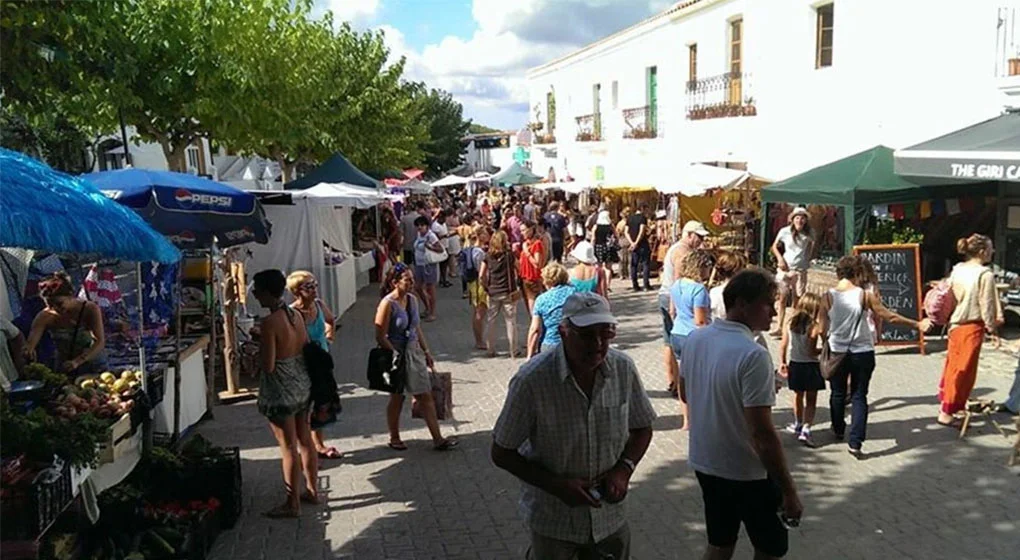
Visitors walk between stalls and white village buildings at Sant Joan’s market.
Sant Joan / Sunday in the village
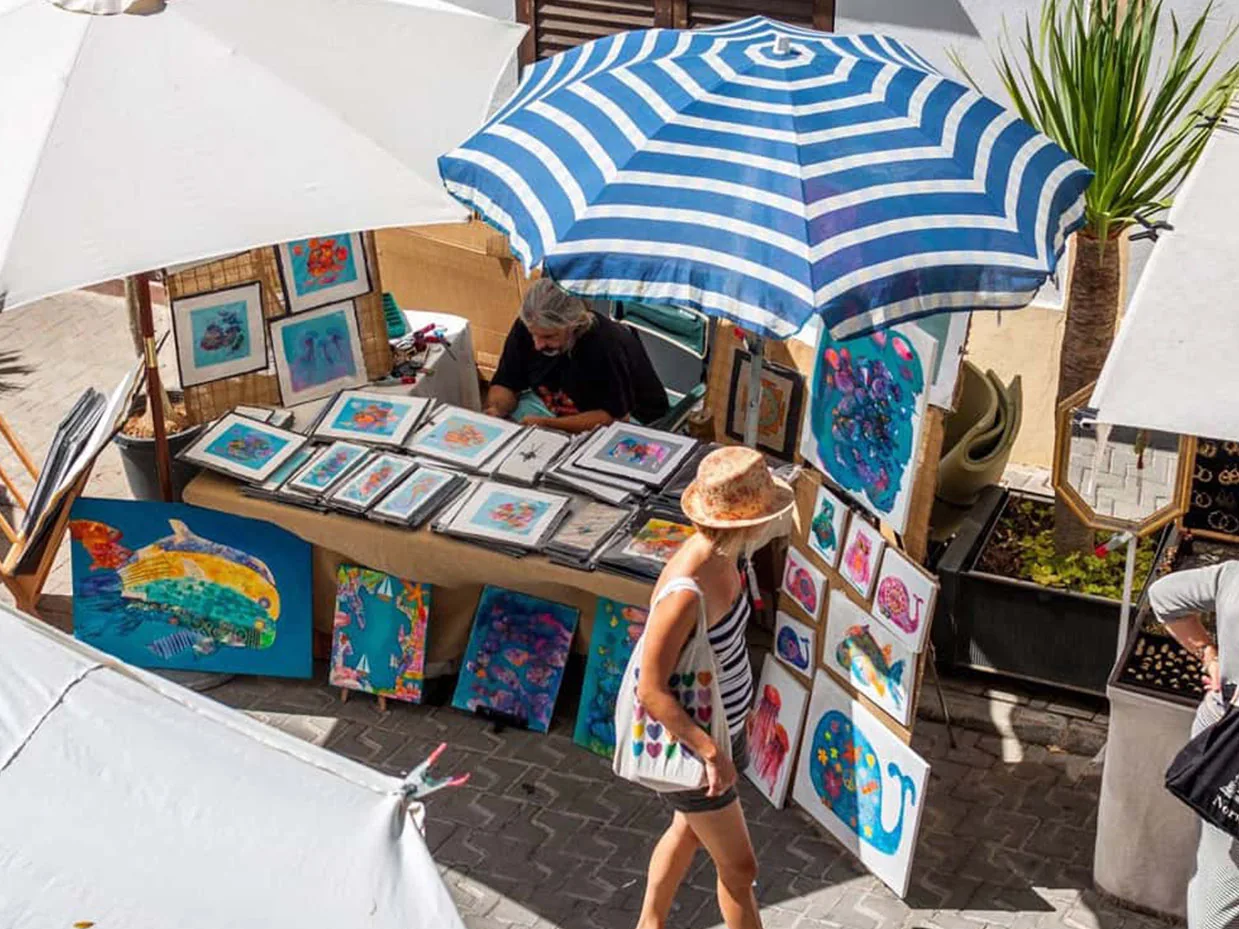
An art seller and passer-by beside colourful paintings under a blue-striped parasol at Sant Joan market.
Sant Joan / A small gallery under a parasol

In Sant Joan de Labritja, the market follows the centre around the square and church. You can be absorbed by a table of paintings, then look up to find the village continuing around it. That closeness of stalls, buildings and everyday movement gives the visit a different character from a larger market site.

The mix includes craft and food, with jewellery, ceramics, produce and baked goods among the reasons to stop. Look across a maker’s whole display before choosing a piece. Repeated colours or forms can tell you something about their work; a question can tell you much more. Buying a small drawing directly from the person who made it gives the object a connection that survives the journey home.

After browsing, carry the outing into the village. A drink or lunch makes a natural continuation, and a restaurant reservation is sensible if you have a particular table in mind. The Village Edition looks at Sant Joan away from its market day, including the old Can Vidal shop. The market brings people into the streets; it is worth noticing what will still be there after the stalls are packed away.

SECOND LIVES

Somebody else’s
next chapter.

Sant Jordi rewards the person who enjoys looking without knowing what they are looking for.

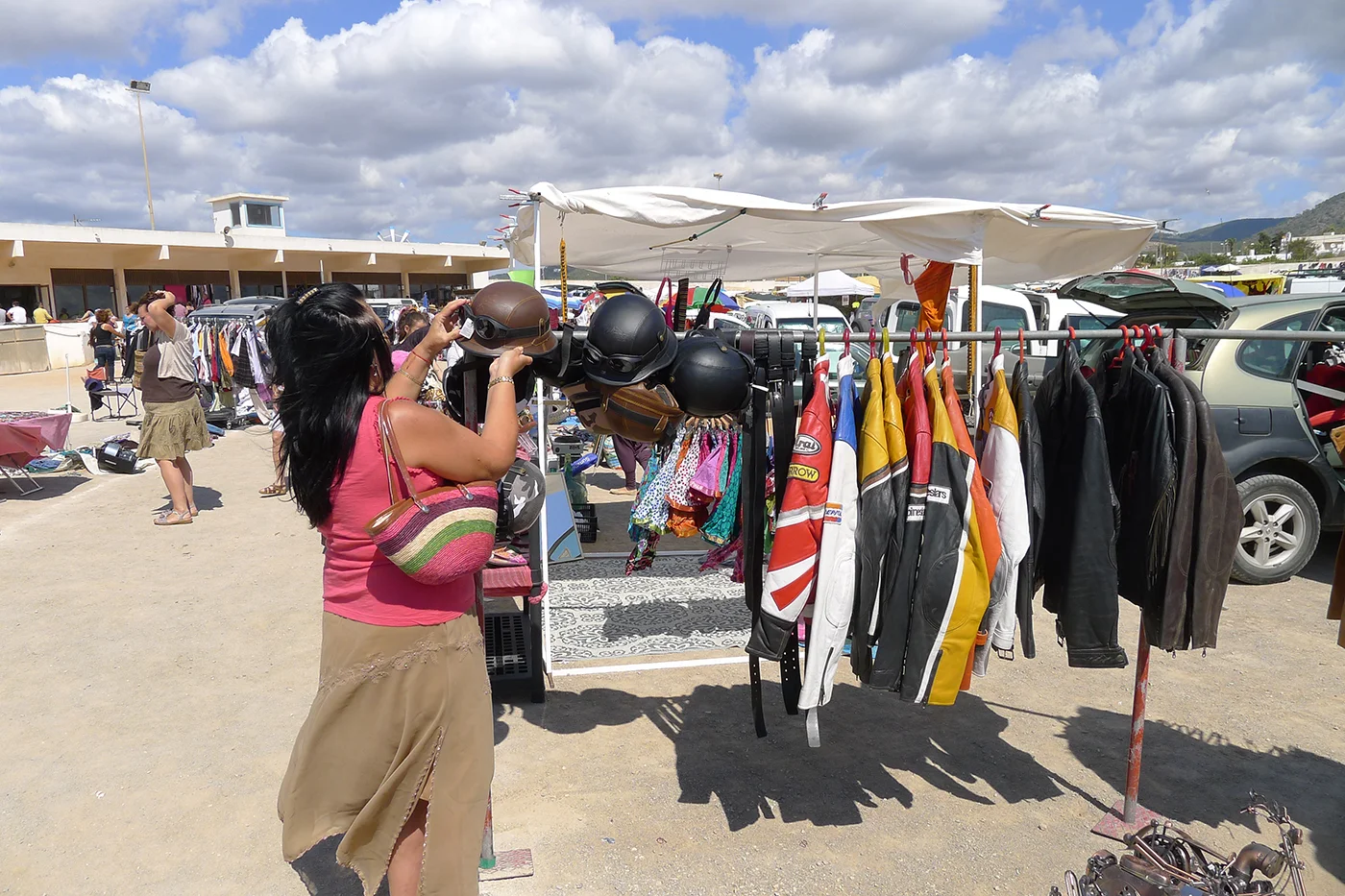
A shopper examines objects beside a rack of clothing and helmets at Sant Jordi flea market.
Sant Jordi / On the lookout
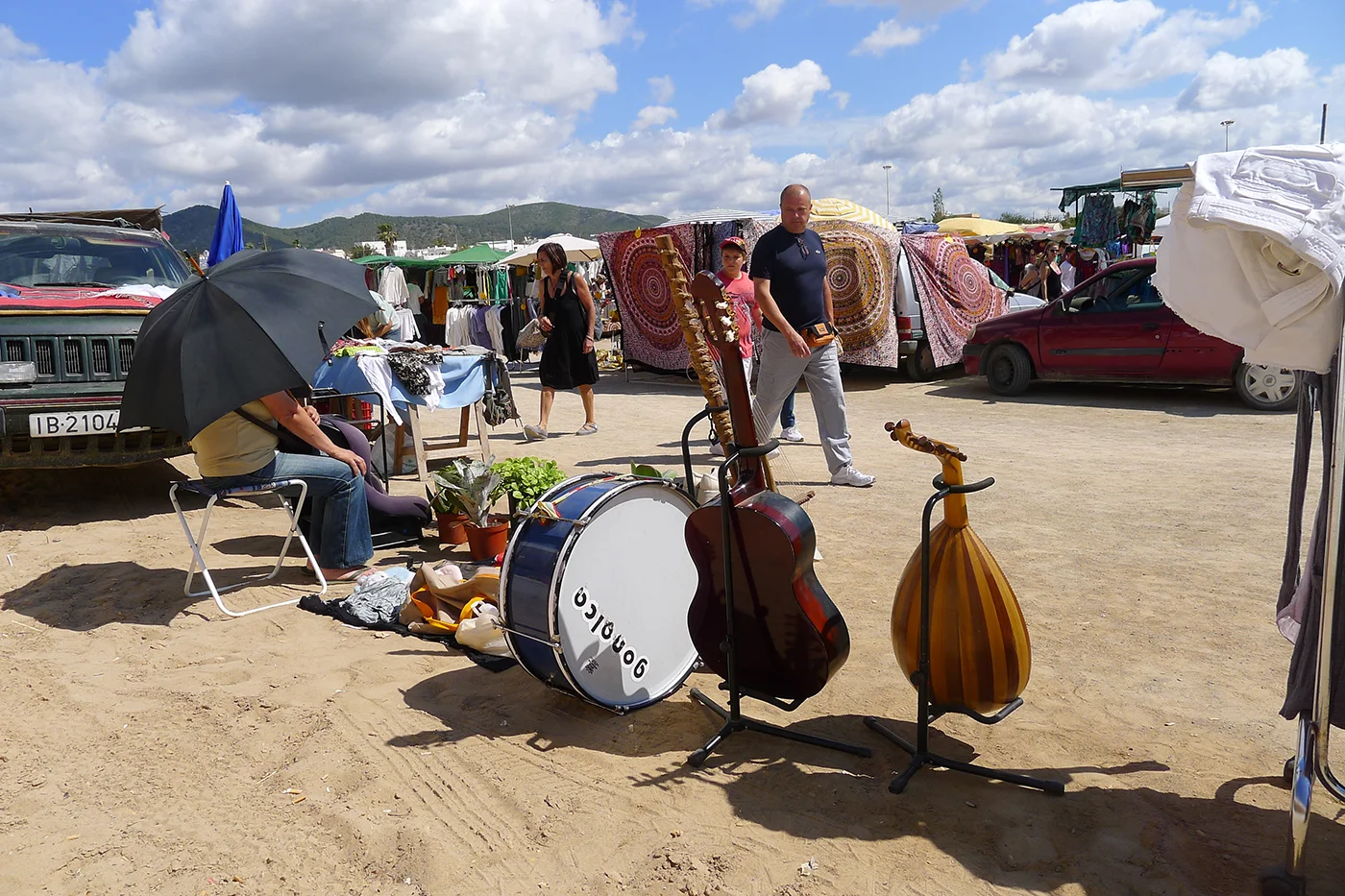
A guitar, drum and other instruments for sale at the Sant Jordi flea market.
Sant Jordi / Another life for an instrument

At the Sant Jordi hippodrome flea market, the contents of different lives meet on the same ground. Secondhand clothes, instruments, baskets and household objects arrive with no obligation to match. A familiar thing can be surrounded by things you have never considered owning. Your eye has more freedom here than it does in a carefully arranged shop.

The best approach is patient and mildly sceptical. Turn a garment over and check seams and fastenings. Look at a record’s surface in the light. Ask to see an electrical object working. These small checks are part of the hunt: they separate a promising shape or colour from something you will be pleased to use.

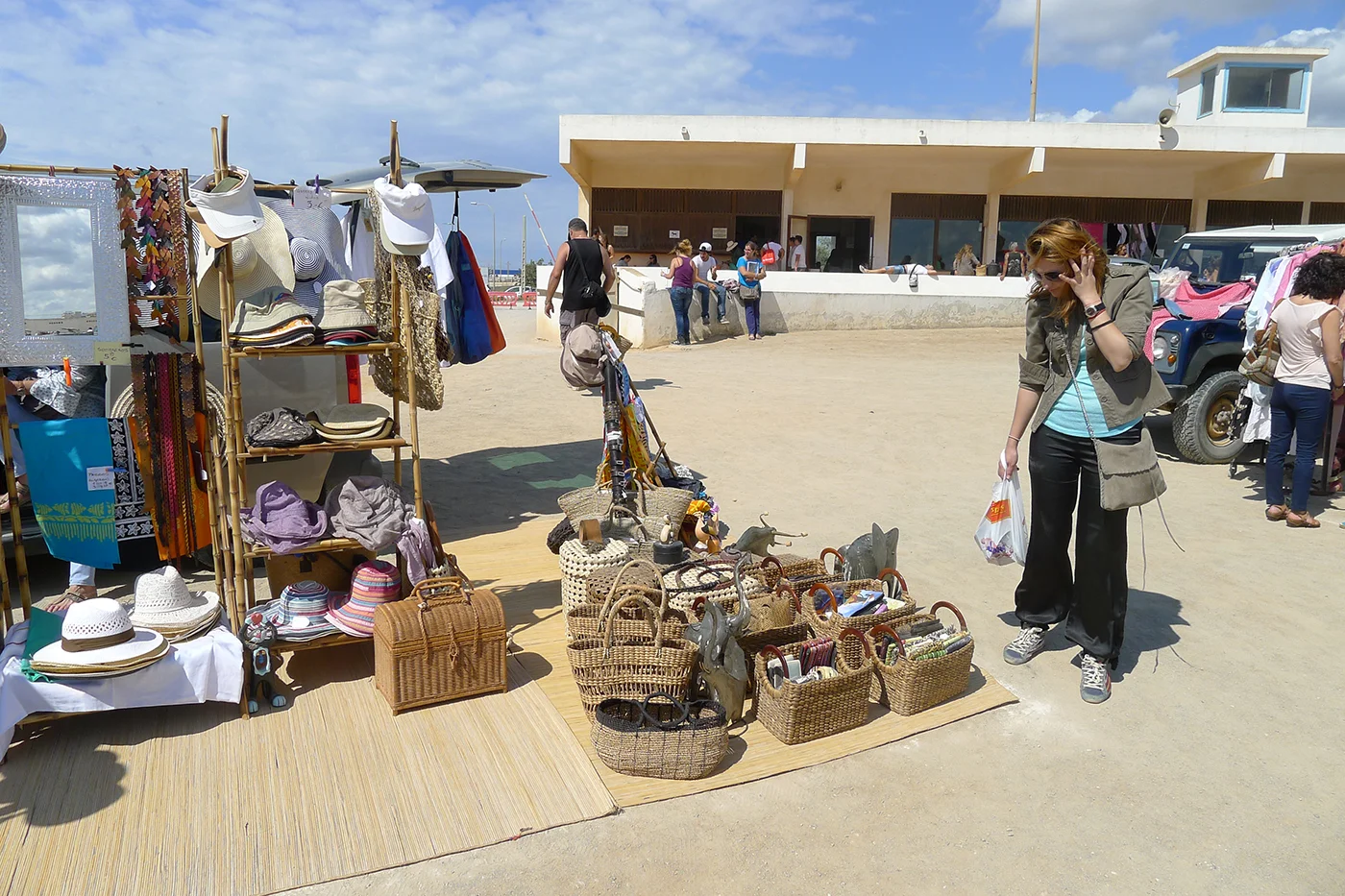
Baskets and decorative birdcages beside secondhand clothing at Sant Jordi.
Sant Jordi / A closer look

Bring some cash and a bag, and allow the possibility of finding nothing. The appeal depends on unpredictability. You might leave with a useful bowl, an instrument that starts a conversation or the garment your friends insist you try on. A flea-market object does not need a romantic provenance to become personal. Giving it a place in your own life is enough.

A musical instrument. A jacket. A very good reason to look again.

WHAT COMES HOME

Picture it
after the holiday.

The best souvenir still makes sense when the light changes.

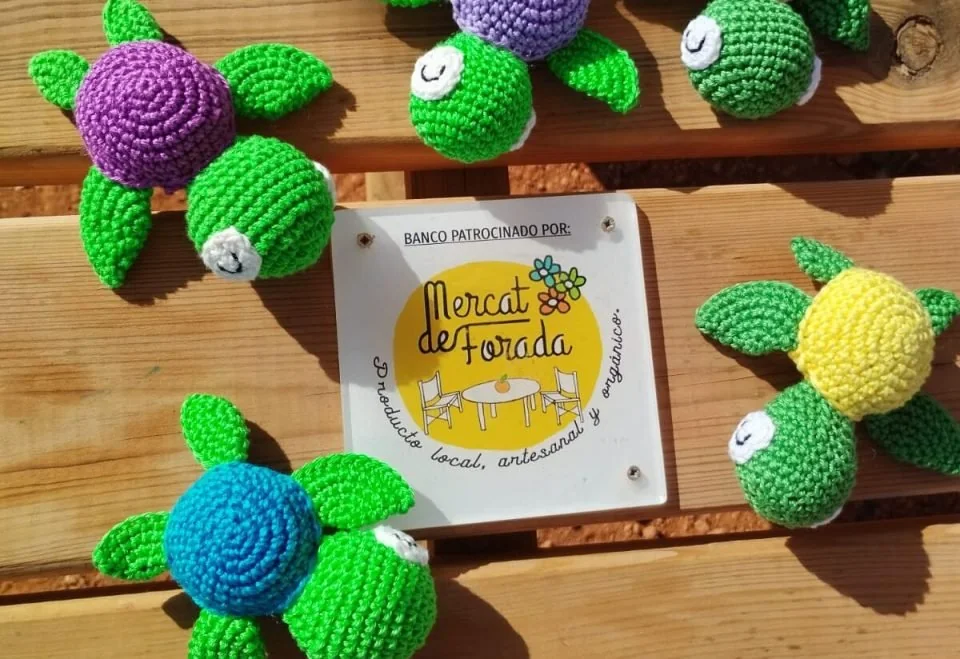
Colourful crocheted turtles surround a Mercat de Forada card.
Mercat de Forada / Made by hand

Before buying, imagine where the thing will live. The bowl on your breakfast table, the shirt with clothes you already own, the record you will play on an ordinary evening. You can enjoy the holiday’s permission to be a little more adventurous while still choosing something that belongs to you.

Take the maker’s details if you may want another piece, and have fragile purchases packed properly. Check your destination’s import rules before carrying food home. The object does not have to explain the whole island. Remembering the person who handed it to you is already quite a lot.

Choose your rhythm

Which morning belongs to you?

A few ways to make the idea your own.

Choose Forada for the country setting and a mixed basket; choose Mercat Nou when the cooking is the reason for going. Keep the afternoon free enough to enjoy what you bring back.

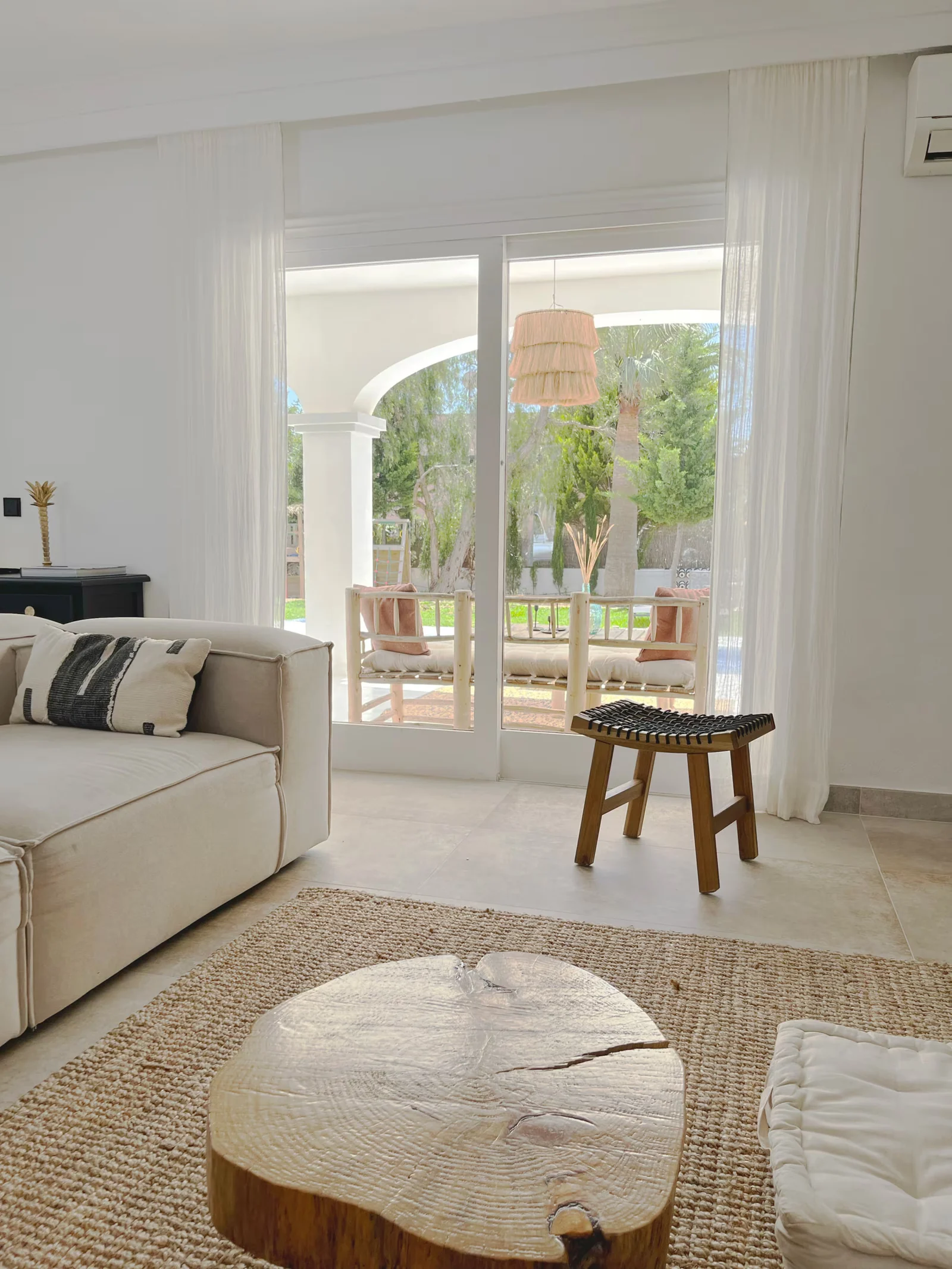
Can Saca’s light-filled living room looking out through sheer curtains to the terrace
Can Saca / A little room to slow down.

The hours in between

A place
for your people.

The first coffee. The last swim. The table where the stories get told again. Some of the best hours of the holiday happen at home.

At Ocho, you book directly with the people who own and care for our three villas. Tell us your dates, your people and the kind of Ibiza you have in mind. We’ll help you find your place.

A little Ibiza to take with you

Made to keep,
or share!

For the flight, the group chat or the person you wish was here. Keep the magazine. Pass the feeling on.

Download the PDF editionThe Market Edition · 25 pages · 5.4 MB

Send a little inspiration

Take the story with you.

The Market Edition magazine cover
Save the cover ↓

Make it
your Ibiza.

Three villas. A team who calls the island home.
A holiday that feels like yours.

Find your Ocho villa